
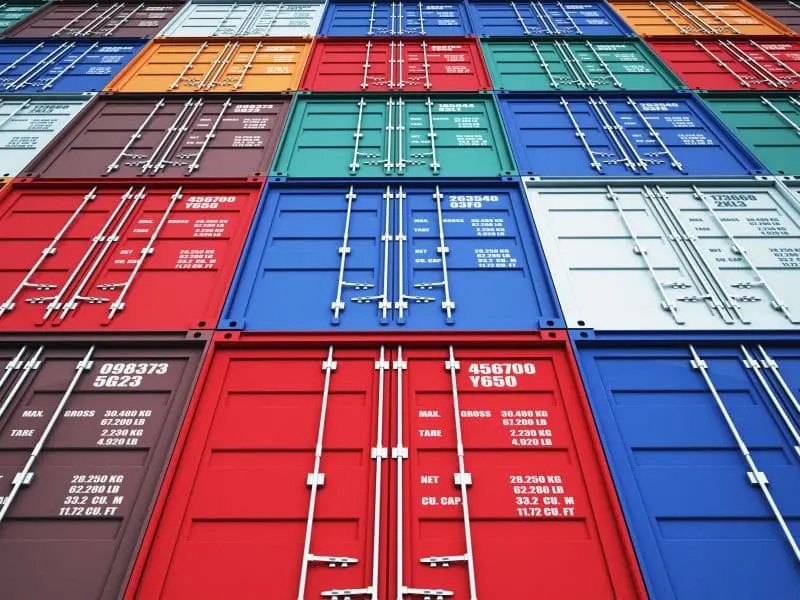
Thinking of buying a shipping container? Whether you need extra storage, a mobile office, or a base for a custom project, containers offer flexibility and durability—but buying one isn’t always straightforward. Even if you are just on the market to rent a shipping container for yourself, you need to know what you’re looking for to ensure you’re getting a Conex container that will meet your needs.
In this guide, we’ll break down everything you need to know about sizes, conditions, cost, and delivery, so you can make a confident purchase.
Should You Buy or Rent a Shipping Container?
Before you start comparing container sizes, first decide: should you buy or rent?
Renting is best when:
- You only need the container short-term (under 6 months)
- You want to avoid upfront costs
- You don’t want to worry about maintenance or storage
Buying is better if:
- You need the container long-term
- You plan to modify or customize it
- You want to save money over time
While buying a shipping container has a higher initial cost, it pays off in the long run. Renting can quickly add up, especially for extended projects. Think about how long you’ll use the container and what you’ll do with it—then decide what fits best.
Common Shipping Container Sizes and Configurations
Shipping containers aren’t one-size-fits-all. Here are the most common options you’ll come across:
Standard Sizes
- 10ft – Compact, ideal for tight spaces or light storage
- 20ft – Most popular, versatile for both transport and storage
- 40ft – Best for large-scale needs and bulk storage
Specialty Configurations
- High Cube – One foot taller, ideal for extra volume or taller equipment
- Side-Opening – Easier access for wide or awkward items
- Open-Top – For loading oversized machinery or items by crane
- Reefer (Refrigerated) – Perfect for perishable goods or cold storage needs
Before choosing, think about what you’re storing and how often you’ll access it.
Understanding Container Grades and Conditions
Used containers are usually graded based on their condition, and it’s important to match the grade to your needs.
Grade A – Cargo Worthy
- Structurally sound, clean, and rust-free
- Suitable for shipping and heavy-duty storage
- Comes with a CSC plate (for international transport)
Grade B – Wind & Watertight
- Slightly older with cosmetic wear
- Still sealed against the elements
- Great for storing tools, equipment, or inventory
Grade C – As-Is
- Often rusty or dented, may not be weatherproof
- Cheap, but only suitable for rugged or non-sensitive storage
If you’re storing valuable or sensitive items, avoid Grade C. For budget storage, it might be an option—just know what you’re getting.
Where to Buy a Shipping Container
Not all sellers are created equal. Here’s how to find one you can trust:
Tips for Choosing a Seller
- Read reviews from past customers
- Check inventory online—legit sellers show their stock
- Ask questions about the container’s history, condition, and delivery
- Avoid sellers who can’t provide photos or specific specs
A local, well-reviewed dealer like Carolina Containers can walk you through the process and offer reliable delivery and support. Don’t rush—take time to compare sellers and inspect options.
What to Expect with Delivery and Transportation
Once you buy your container, preparing your location and delivery is the next step. Here’s what to plan for:
Prepare the Site
- Choose a flat, dry surface (concrete or gravel is ideal)
- Ensure there’s enough space for a large delivery truck
- Avoid areas prone to flooding or pooling water
Delivery Tips
- Most companies use tilt-bed trucks or cranes
- Ask about delivery fees and lead time
- Be present during delivery to direct placement
At Carolina Containers, we handle full-service delivery, ensuring your container is placed securely and safely.
Post-Purchase Tips: Maintenance and Customization
Your container can last 20+ years with proper care. Here’s how to protect your investment:
Maintenance Basics
- Check for rust or leaks regularly
- Keep the roof clear of leaves and debris
- Ensure door seals stay intact and hinges are lubricated
Popular Customizations
- Adding doors, windows, vents, and similar parts
- Insulation and electrical wiring
- Interior shelving or flooring upgrades
Need something more unique? Carolina Containers offers container customization and repairs.
FAQs About Buying a Shipping Container
How much does it cost to buy a shipping container?
Prices typically range from $2,000 to $6,000 depending on the size, condition, and location. Used containers are more affordable, while specialty containers (like reefers or high cubes) cost more.
Where can I buy a shipping container near me?
Look for local container dealers or depots with good reviews. Search terms like “shipping container for sale near me” can help you find nearby suppliers. Reputable companies like Carolina Containers also offer online browsing and direct delivery.
What is the best size shipping container for storage?
The 20ft container is the most versatile for general storage. It offers enough space for tools, equipment, or inventory without being too large for most properties. If you need more room, a 40ft container might be a better fit.
Are used shipping containers safe to use?
Yes—if they’re cargo-worthy or watertight. Always inspect for rust, dents, and sealing issues. Stick with reputable sellers who grade their containers honestly and provide photos or in-person viewing.
Can I customize a shipping container after I buy it?
Absolutely. Containers can be modified with doors, windows, insulation, electrical, shelving, and more. Many buyers turn them into offices, pop-up shops, or mobile workshops.
How long does a shipping container last?
With proper maintenance, a shipping container can last 20 years or more. Regularly check for rust, keep the roof clear, and make sure it’s placed on a well-drained, level surface.
Do I need a permit to place a shipping container on my property?
In some areas, yes. Local zoning laws or HOA rules may apply. Always check with your city or county planning department before placing a container, especially for long-term or permanent use.
Conclusion
Buying a shipping container is easier when you know what to expect. Start by deciding if ownership makes sense, then choose the right size and grade for your needs. Partner with a reputable seller, plan for delivery, and keep your container in top shape for years to come.
Need help? Contact Carolina Containers today to explore our available containers and schedule your delivery.